
From Noah's Ark to New York: A Sacred Call to Save Israel's Rare Kanaani Cat
Nov 17, 2026
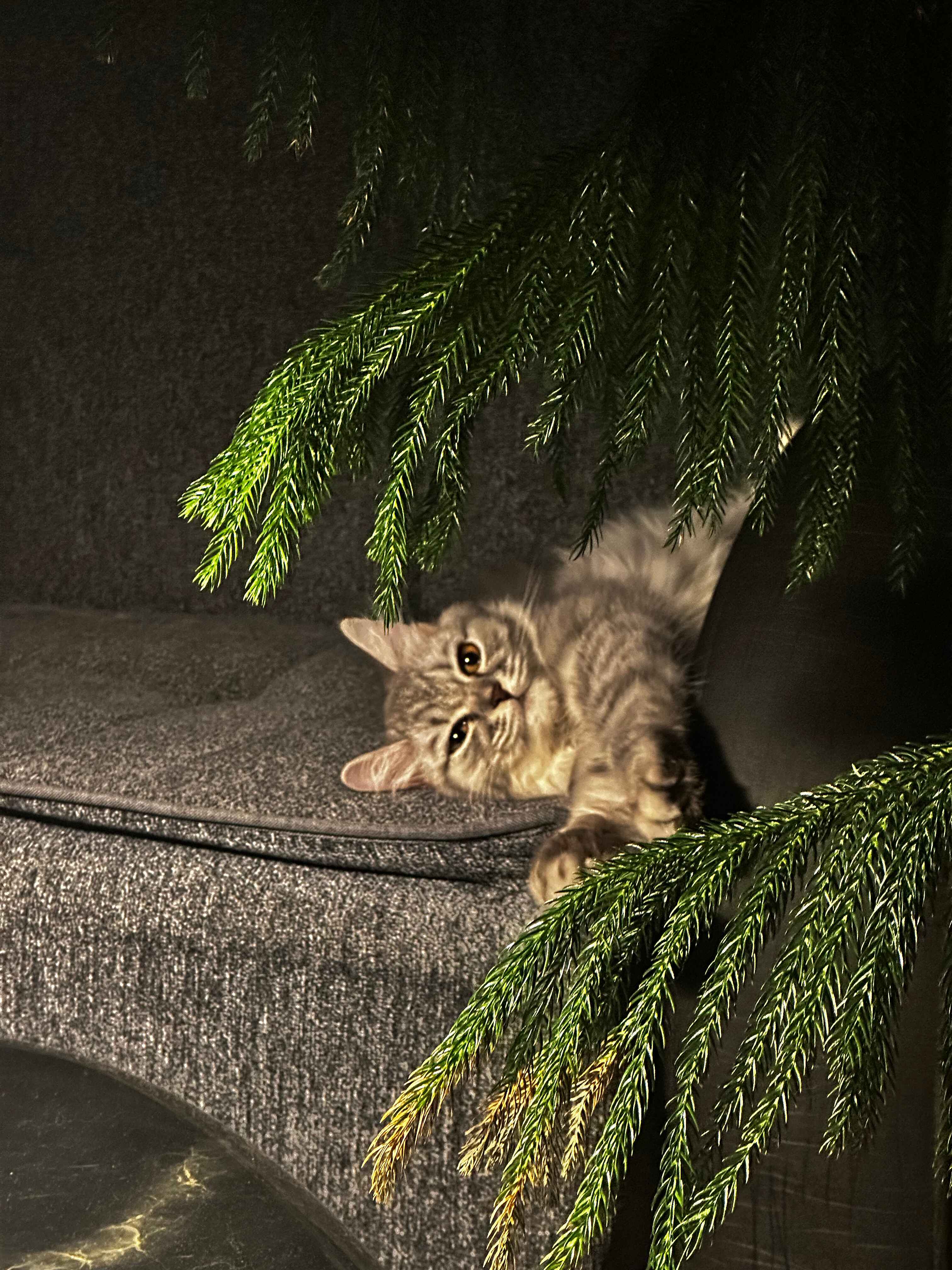
New York City, New York Nov 17, 2026 (Issuewire.com) - Thousands of years after Noah was commanded to preserve living creatures, an ancient biblical responsibility finds new meaning in New York. The future of the exceptionally rare Israeli Kanaani cat breed has become the focus of a preservation initiative rooted in compassion, Jewish spiritual tradition, and a commitment to protecting living cultural heritage.
As two American-born Kanaani cats prepare to appear at an international cat show in Greece on November 28-29, the initiative calls upon American institutions, Israeli cultural organizations, Jewish communities, and animal advocates worldwide to help secure the breed's future.
A Living Legacy That Cannot Be Replaced
The Kanaani was developed in Israel during the 1990s by Doris Pollatschek, a German-Israeli artist, sculptor, and Holocaust survivor.
Her remarkable story connects survival, creativity, Jewish cultural heritage, and the human-animal bond.
Unlike a painting or a historical manuscript, a living breed cannot be preserved simply by placing it in a museum. Its future requires responsible breeding, veterinary care, genetic diversity, documented ancestry, and the commitment of people willing to protect it.
The American Kanaani Revival Program, developed in Brooklyn through the Salita Foundation and the Royal House of Kanaani, seeks to provide that continuity.
Yet the responsibility to preserve such an extraordinary legacy should not rest on one individual or organization alone.
From the Biblical Ark to Modern Animal Chaplaincy
The biblical story of Noah offers a powerful lesson about humanity's responsibility toward living creatures.
Noah was commanded to preserve animal life, demonstrating that the protection of creation is an essential part of humanity's moral relationship with God.
The Book of Proverbs connects righteousness with understanding the needs of animals, while the Psalms proclaim that divine compassion extends to all creation.
These teachings provide the spiritual foundation for a modern approach to Jewish Animal Chaplaincy, which emphasizes compassion, responsible animal care, and respect for living beings.
Animal Chaplain and Rabbi Mikhail Salita, who leads the American Kanaani preservation effort, views the breed's survival as a practical expression of these principles.
The mission does not suggest that the Bible specifically commands the preservation of a modern cat breed. Rather, it applies timeless biblical teachings to a contemporary responsibility.
Protecting living heritage is one way of transforming faith into action.
From Brooklyn to Athens: A New Chapter in Cultural Diplomacy
On November 28-29, 2026, two American-born Kanaani sisters, Princess Haya and Princess Neshama, are scheduled to participate in CAT EXPO Greece 2026 -- WCF World Show, organized by Felina Greece in the Athens metropolitan area.
Their appearance represents an opportunity to introduce this rare Israeli-origin breed to a wider international audience.
The event also reflects a broader initiative known as Kanaani Cultural Diplomacy, connecting countries through shared commitments to animals, historical memory, and cultural preservation.
Israel is the birthplace of the breed. Germany is the birthplace of its founder. The United States is home to the American revival effort. Finland has already hosted Kanaani cats at an international exhibition, while Greece now becomes the next destination.
Ukraine also holds a personal and cultural connection to the initiative through its American-based founder.
Diplomatic representatives of Israel, the United States, Germany, Finland, and Ukraine are being welcomed to consider attending the exhibition as a gesture of international cultural friendship.
The initiative seeks to demonstrate that even a rare cat breed can create meaningful opportunities for dialogue across national and cultural boundaries.
Honoring a Holocaust Survivor Through Art, Education, and Living Heritage
A proposed Doris Pollatschek and Kanaani Heritage Museum in New York would bring together the founder's biography, artistic legacy, historical documents, and the development of the Kanaani breed.
The museum would also explore the human-animal bond, Jewish Animal Chaplaincy, and the ethical responsibility to protect animals.
An important educational objective would be to introduce new audiences to Holocaust history through the life of a survivor who continued to create and contribute to society.
By combining art, animal history, and personal testimony, the initiative hopes to encourage historical understanding and contribute to educational efforts against antisemitism and Holocaust denial.
The project remains in development and seeks archival partners, researchers, cultural institutions, and philanthropic support.
An Opportunity for America to Lead
The American Kanaani Revival Program began in Brooklyn, but its ambitions extend beyond one borough.
The initiative welcomes collaboration with institutions at the New York City, New York State, and federal levels, as well as universities, museums, charitable foundations, and animal-welfare organizations.
America's national motto, "In God We Trust," offers a meaningful reminder that faith can inspire public service and compassion.
The story of Noah provides a spiritual analogy: when living creatures depend upon human protection, responsibility calls for action.
Preserving a domestic cat breed is not equivalent to saving an endangered wildlife species. Nevertheless, the Kanaani represents a distinctive living legacy whose continued existence requires dedicated stewardship.
The United States has an opportunity to become an important international center for its preservation, research, and responsible development.
A Call for Partners, Not Simply Donations
The Kanaani preservation initiative seeks more than financial contributions.
It welcomes assistance with historical research, museum development, veterinary partnerships, breed documentation, educational programming, institutional cooperation, and cultural diplomacy.
The effort has already received recognition and encouragement in Brooklyn, including a citation from Brooklyn Borough President Antonio Reynoso and support from Boris Nobel.
Broader collaboration could help transform a local preservation effort into a lasting international educational and cultural initiative.
As Jewish tradition teaches, compassion is not merely a feeling. It must find expression in the way people treat those who depend upon their care.
The rare Kanaani cat offers a meaningful opportunity to put that principle into practice.
We need not wait for the Messianic age to begin practicing compassion.
The future of this living heritage depends upon the decisions and actions taken today.
Save the Kanaani. Honor the legacy of Doris Pollatschek. Let compassion become a shared responsibility.
About The World Kanaani Organization
The World Kanaani Organization (TWKO) promotes the preservation, responsible development, documentation, and international recognition of the rare Israeli-origin Kanaani cat breed. Its activities include cultural diplomacy, public education, and support for the American Kanaani Revival Program.
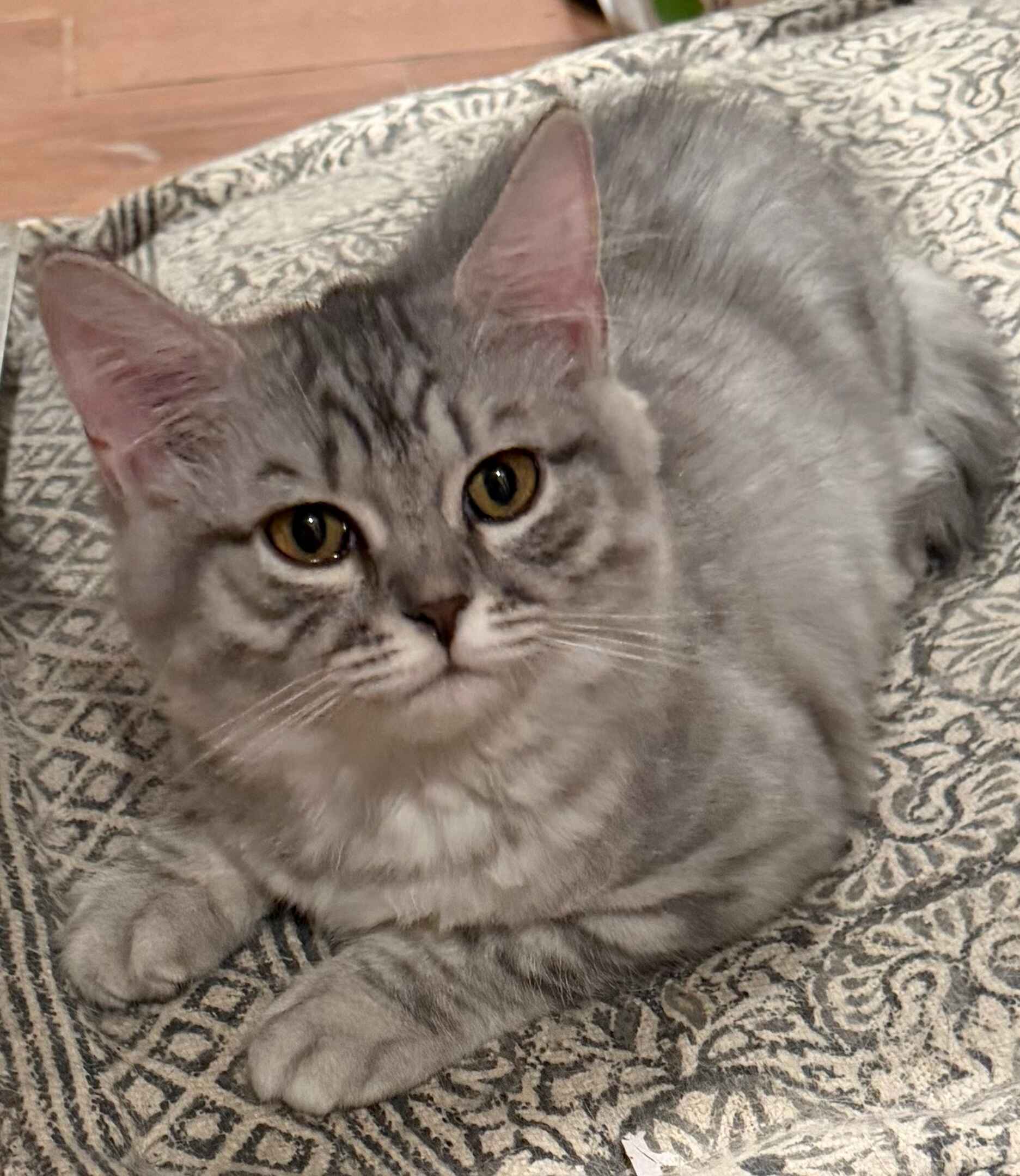
Source :The World Kanaani Organization
This article was originally published by IssueWire. Read the original article here.
More News


Recommended


Immigration arrests after organised crime blitz


YOUR NEWS, OUR NETWORK.
Do you have Great News you want to tell the world?
Be it updates about your business or your community, you can make sure that it’s heard by submitting your story to our network reaching hundreds of news sites across 6 verticals.